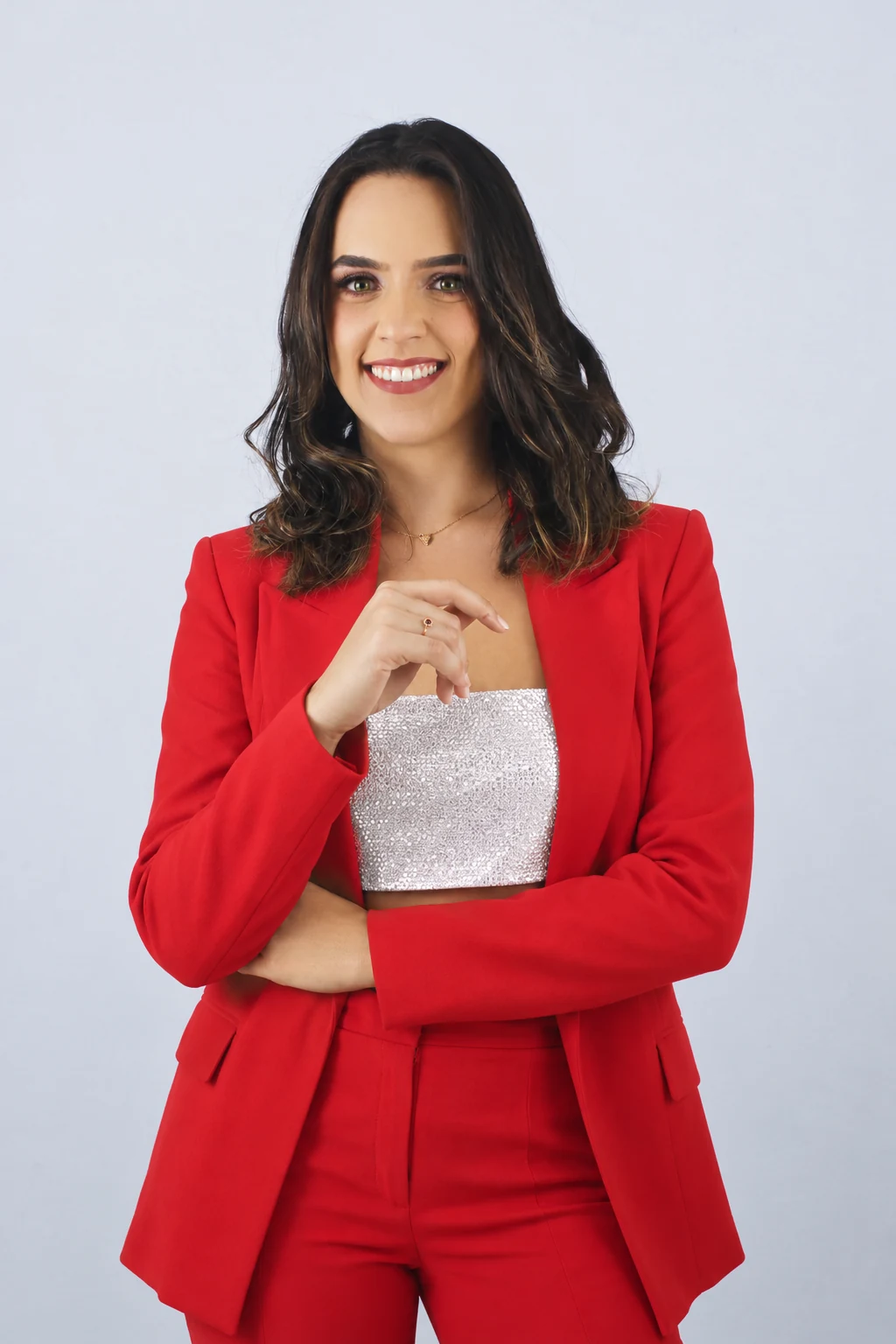
Change an outfit in your photo
Add a person photo and a clothing reference to explore a new look. AI results are visual concepts, not a guarantee of fit or sizing.
Try the clothes changerCreate social media content, UGC scenes, ads and short AI videos.Image, video and music models, in one studio.
Your imagination, in motion. Start with a prompt or make a sample your own.
Choose your next scene
Change an outfit, make a festive portrait, plan a rap video or try a work headshot. Each studio starts with your photo and shows the credit quote before you generate.
Add a person photo and a clothing reference to explore a new look. AI results are visual concepts, not a guarantee of fit or sizing.
Try the clothes changer
Choose a festive concept for an existing adult photo, or open the single-adult studio for a coordinated portrait set.
Choose a Christmas scene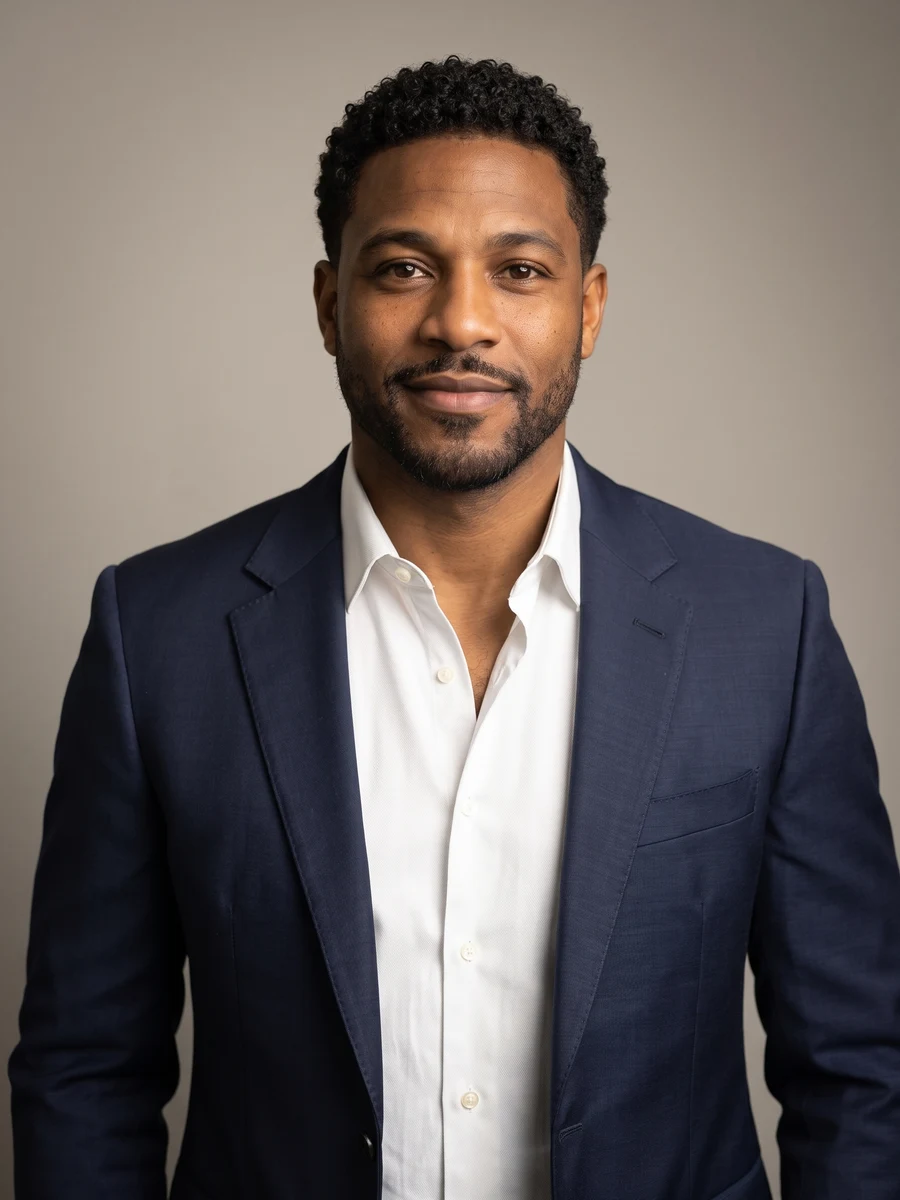
Try formal, smart casual or creative styling. Choose one composition or a six-image set and check the quote before you confirm.
Choose your headshot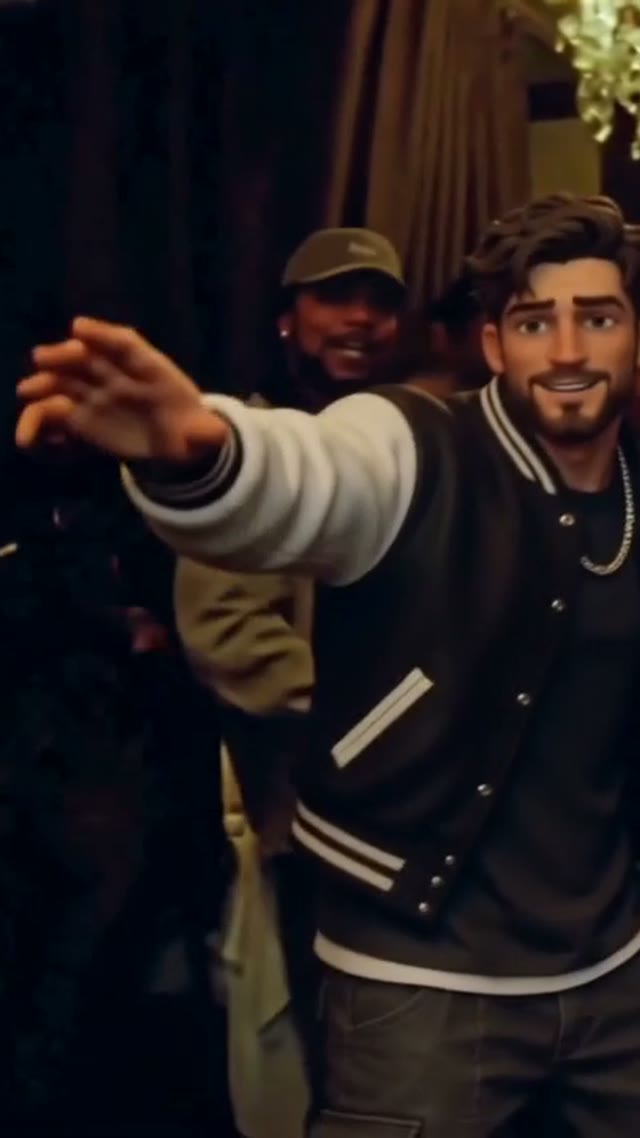
Start with adult portraits and a story or lyrics. Choose your stage, language and length; exact wording and lip timing can vary.
Plan your rap clipA closer look at cinematic motion, expressive characters and striking detail.
Explore the visual possibilities. Use a prompt with any available video model in the studio.
From product ads to animated stories. Find your next direction.
A world of styles for products, portraits, illustrations and more.
Create an image, direct a video scene or compose a song. YVD AI brings text-to-video, image-to-video, AI image generation and music into one workspace. Choose a model, set its controls and develop a visual or musical idea you can save and revisit.
Turn a written scene into motion. Shape the camera, light and mood, then generate a short clip for a story, a reel or your next creative experiment.
Start with a vertical prompt for UGC, product shots or YouTube Shorts. Replace the subject, refine the scene and take the result into your own edit.
Create a portrait, a product concept or an illustration. Add a reference image when you want to guide the composition, subject or visual style.
Pick one, or compare the models by the inputs your idea needs.
Browse all modelsShort scenes with expressive movement and sound.
Guide a video with text or a first-frame image.
Combine visual references into a cinematic sequence.
Explore detailed compositions, then refine the image.
Develop a visual direction with flexible references.
Turn a musical brief into a complete song.
Bring atmosphere, movement and a clear subject to your next film. Explore cinematic AI video with Grok Imagine, Kling, Seedance or another model in the studio. Each example starts with a reusable prompt; open it, change the direction and make a new scene of your own.
Try this promptA few translucent forms, a little light and a steady camera. Keep the motion delicate for a quiet underwater film.
Follow a red tram through warm city streets. Reflections and a single tracking move give a travel scene its own rhythm.
Build a handmade world around an original character. Describe the materials as carefully as the action for a tactile animated scene.
Small silhouettes against a vast landscape create an immediate sense of scale. Keep the camera smooth and the desert light warm.
Give a craft film one precise action. A glowing material, a focused pair of hands and close framing can carry the entire scene.
Build a vertical short around a nature moment, original character or cinematic opening. These editable AI video templates give you a starting point for your own story.
Start a nature short with a recognizable subject and a gentle reveal. Fine feather detail and soft snowfall make the frame feel inviting.
Use a reflection to make a vertical landscape feel expansive. Let the sky move slowly while the cabin gives viewers a point of focus.
Keep the camera close to the action for a short sports edit. One clear turn and bright water create a strong opening beat.
A moving sail and a trail across still water tell a compact travel story. Adapt the weather, location and camera angle to your brief.
An original little robot adds character to a social clip. Choose one expressive action, a playful palette and a simple setting for the story.
Explore AI UGC scenes and product video concepts before you plan a shoot. Describe a natural setting, a believable action and the atmosphere you want. These are generated creative examples, not real customer reviews, endorsements or footage of your product.
Show the shape and finish before adding a sales message. A controlled orbit and a warm light accent give this audio product room to stand out.
Explore a beauty campaign with a restrained palette and tactile materials. Change the container, flower or surface to match a product concept.
A bold product silhouette makes a useful opening shot for a vertical ad. Describe fabric, color and lighting before choosing the movement.
Pair a simple can with fresh ingredients and a splash of movement. Leave space in your final edit for the message and brand assets.
Bring a home design idea to life with a slow camera move and soft light. Small environmental details can give a room a calm, lived-in atmosphere.
Explore GPT Image, Grok Imagine, Qwen Image, Nano Banana and Seedream for portraits, illustrations and product concepts. Set your composition and aspect ratio, or guide the result with a reference.
Create an imageStart with a clear idea, choose your media and refine one detail at a time. A small experiment can become the opening of a longer project.
Select a template to load its prompt, model and settings. Adjust the draft before generating; selecting a template never submits a request.
Describe the subject, setting and style. For video, add one action and camera movement. A reference image can guide the look. See how to write a video prompt for examples you can adapt.
Sign in to create images, videos and music with your daily credits. Preview and download the result, then return through your history or reuse the prompt.
We’re offering free access early on to grow our community and help more people discover the studio.
Choose a free account, membership or credit top-up. The model quote shows the credits needed for your creation.
Check Is YVD AI free? before you start.
Use your free creationsSign in to receive 20 welcome credits and 10 daily credits on your first claim. Return after each 24-hour wait to claim the next daily reward. Promotional credits expire 24 hours after each grant; missed days do not accumulate. Images, videos and music share your account balance. Review the quote before generating. Memberships have their own listed daily allowance.
Choose a free account, membership or credit top-up. The model quote shows the credits needed for your creation.
Yes. Sign in before generating a video, then choose Video and a 9:16 aspect ratio to create a vertical clip, then download the result for your edit. Our templates help with the visual starting point. Add your own narration, captions, music and final cuts in your editing software before uploading a complete YouTube Short.
You can explore product scenes and advertising concepts here. Before publishing commercially, review the selected model’s terms and the rights to your reference images, likenesses, logos and soundtrack. Generated scenes need human review, and this studio does not guarantee clearance, factual product claims or a particular advertising result.
Upload PNG, JPEG or WebP images, and add MP4 or WebM video and MP3 or WAV audio when the selected model supports them. Reference counts, first and last frames, duration and output controls follow the model. Use the reference panel to assign inputs, and upload only media you have permission to use.
Confirmed failed generations return the credits used, with the original grant expiry. Your creation records stay in your account; provider media links can expire, so download finished files you want to keep.
YVD AI brings several kinds of creative work into one workspace. Start with the result you need: a still image to explain an idea, a moving scene for a short video, or a music track to establish a mood. Choosing that starting point makes the next decisions easier. You can prepare the right input, compare the settings that matter and judge the output against a clear brief instead of exploring every control at once.
For images, families such as GPT Image, Nano Banana, Seedream and Qwen offer different routes into a visual concept. A product team might explore a tabletop composition, while a storyteller might begin with a character or location. Describe the important subject and framing, then add a reference when the selected model supports it. Review details such as lettering, reflections and object edges before using the image in a larger design or turning it into a video reference.
Video work in YVD Studio can begin with text, an image or a compatible source clip. The available families include Seedance, Grok, Kling, Veo, Wan, Hailuo, MiniMax and Gemini-Omni. Their controls vary, so select the input method before planning a long sequence. A product reveal needs a different starting brief from a landscape shot or a character action. The video generation workflow explains how to move from those choices to a reviewed download.
Think about where the clip will appear before choosing its shape. A vertical scene may suit a phone screen, while a wider frame can leave room for a landscape or several subjects. Some image-led models inherit the reference shape, making the starting composition especially important. Use a short first attempt to assess movement, then decide whether a longer version adds anything useful. A higher setting should serve the finished project rather than replace a clear idea of what should happen on screen.
Music adds another layer to the same creative process. Describe the intended mood, instruments and vocal direction, then listen to each returned track before choosing one. A background for a quiet product scene may need space and restraint; a lively montage may need a stronger rhythmic feel. In YVD AI, the music result lives alongside your other creations, so you can return to the available tracks and download the one that fits the sequence you are assembling.
Keep your experiments deliberate. YVD AI shows a credit quote for the current settings before generation. Changing models may change the available controls. Review your settings and the amount after a change. When reference media is incompatible, confirm whether to remove it from the draft or keep working with the current model. Completed results can be reviewed in the workspace and found again in your library. Build on the useful attempts, adjust one clear problem at a time and download the files you want to keep for your final edit.